Rajasthan’s education system is undergoing a significant shift, with a renewed focus on inclusion, innovation, and holistic development. From student well-being and teacher capacity building to skill-based education and STEM access, the emphasis is on creating a learner-centric ecosystem that prepares students for life beyond classrooms.
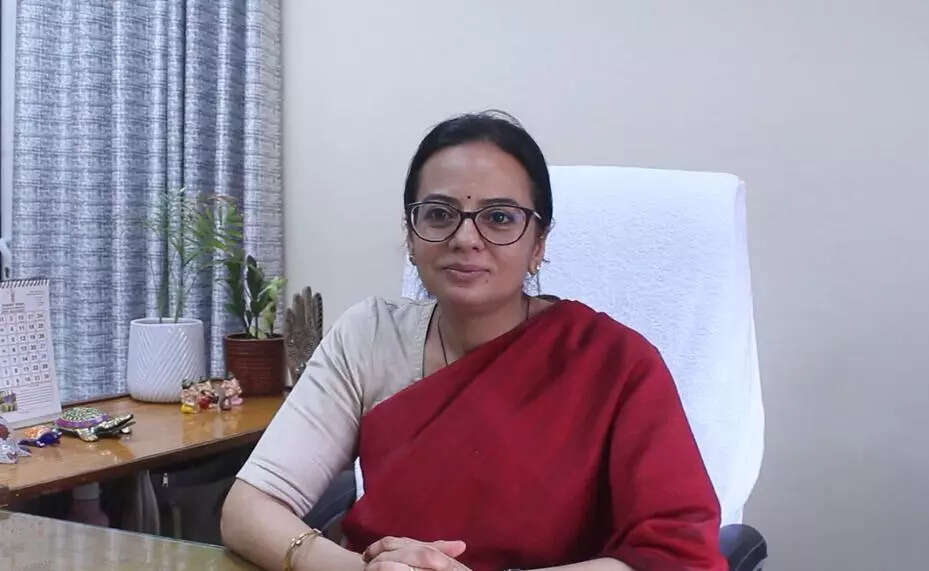
In an interaction with ET Government, Anupama Jorwal, State Project Director & Commissioner, Samagra Shiksha, shares insights into the initiatives shaping this transformation. Edited excerpts:
What initiatives has the department undertaken to strengthen the physical and mental well-being of students?
The vision for education extends well beyond textbooks and examinations, with a strong belief in nurturing a healthy body and a strong mind. Physical fitness has become an integral part of school life across government schools. Playgrounds are being upgraded, and students are encouraged to participate in structured sports activities.
Flagship initiatives such as Khelo Rajasthan and Ek Jila–Ek Khel are helping students discover sporting talent and channel their energy constructively. These efforts have enabled students from rural areas to compete and excel at higher levels when provided with the right opportunities and guidance.
Equal importance is being given to mental and emotional well-being. Schools now conduct daily yoga, meditation, and Surya Namaskar sessions, helping students develop balance, discipline, resilience, and focus. Education is being shaped to strengthen the mind, body, and spirit together, under Rajasthan’s broader focus on education for well-being.
What is the department’s strategy for teacher capacity building and professional development?
Teachers are central to the education system, and strengthening their capabilities is a top priority. A comprehensive Continuous Professional Development (CPD) framework has been implemented through RSCERT and DIETs, with the objective of fostering lifelong learning among educators.
Training programmes introduce teachers to Activity-Based Learning (ABL) kits, digital resources, and AI-enabled teaching tools, enabling them to make classrooms more interactive and experiential. In alignment with NEP 2020, these initiatives have moved beyond traditional lecture-based approaches to encourage collaboration, peer learning, and hands-on pedagogy.
The focus is on creating educators who remain open to new ideas, technologies, and methodologies, thereby building a strong foundation for quality education across the state.
Rajasthan has made progress in skill-based and employment-orientated education. What innovations are being implemented?
Education is being reimagined to prepare students to be confident, employable, and self-reliant. Under the Vocational Education Programme, skill development has been integrated into the school curriculum.
Students receive hands-on training in sectors such as IT, automobile, beauty and wellness, agriculture, electronics, and others, providing industry-aligned exposure at the school level. Alongside this, over 23.41 lakh students have participated in career fairs, orientation programmes, and counselling sessions.
These initiatives align with the vision of ‘Skill India – Self-Reliant India’ and support the state’s mission of ‘Educated Rajasthan – Empowered Rajasthan’, preparing students for both higher education and workforce readiness.
What strategies are being adopted to improve enrolment and reduce dropouts, especially in rural areas?
Education in Rajasthan has evolved into a community-driven movement. Campaigns such as School Chale Hum and Door-to-Door Enrolment Drives have successfully brought children from tribal and remote regions into formal schooling.
Community participation plays a pivotal role, with Panchayati Raj institutions, School Management Committees, and parents actively engaging in motivating families. To prevent dropouts, initiatives such as Mega PTMs, Community Dialogues, Prerna Shivirs, and Digital Praveshotsav are being conducted regularly.
Support mechanisms like Krishna Bhog midday meals and strong Anganwadi–school linkages ensure continuity in early education. These efforts have led to improved enrolment, better attendance, and more vibrant learning environments, with parents increasingly viewing education as a long-term investment.
What special efforts are being made to promote STEM education, especially for rural students?
STEM education is being positioned as the foundation for modern innovation, with equal access for students in both urban and rural areas. Government schools are using science and maths kits that promote learning through experimentation, strengthening analytical and problem-solving skills.
To further advance STEM learning, Robotics Labs, Atal Tinkering Labs, and ICT Labs have been established to promote coding, robotics, and digital literacy. Importantly, these facilities are being expanded beyond cities to reach rural and remote schools.
By strengthening STEM education, the focus is on nurturing creative, technologically skilled learners who are prepared to contribute meaningfully to India’s knowledge economy.